John Fund v. the Killer Heels

Since we’re discussing Romantic individualism, I’ll point to this: John Fund notes that women were turned away from the Cannes Film Festival for the crime of not wearing high heels – even women who couldn’t wear them for medical reasons. Fund helps us see the human suffering involved when people’s selfish desires (in this case, for sexual attractiveness) are manipulated for gain by the powerful, and even those who don’t want to participate find (as at Cannes) that the social system created by the uncontrolled desires of those around them is too rigid to be escaped. NRO’s new web format makes it difficult to cut and paste an excerpt, but it’s worth your time.

The headline on Fund’s piece invokes the legacy of the corset. This reminded me that when Rousseau first conquered me and made me his disciple, one of the things that really impressed me was his fierce attack on corsets, and the other self-tortures of the Paris elite. From this I’ll draw two conclusions: That Romantic individualism, both then and now (Fund points to contemporary examples of RIers who have resisted killer heels) has the resources to expose and shame systems of injustice even in spite of its false religious starting points; and that those who expose and shame systems of suffering and injustice will attract followers. Christians should take notice.

Romantic Individualism and Technocracy

avengers_age_of_ultron_2015_movie-wide

HT readers may be interested in my thoughts on Romantic individualism and technocracy in the new Avengers film, which is not “the movie for our time,” but is good enough for what it is:

Mild spoiler warning!

Rogers opposes Stark’s individualism not by overt appeal to God but by appeal to human relationships. We are made to live and work with one another, to solve – or at least cope with – our problems “together.” The solution to our problems lies not in machines and systems but in people wanting to be in right relationship with one another.

This is just as religious a claim as “there’s only one God, ma’am.” I am not sure it isn’t an even more religious claim. For it asserts that we are made not simply to be what we are and do what we want, but to overcome what we are and control what we want in order to achieve a fulfillment that lies outside ourselves.

Joy and Hope in a Troubled Culture

thegospelcoalition

All the video and audio media from last month’s TGC conference is now posted, up and live, accessible worldwide through this newfangled internet thing, including audio of my workshop: “Home Away from Home: Shining the Light of Joy and Hope in Our Troubled Culture.” Oh, I suppose you may also want to listen to talks from Tim Keller, Phil Ryken, folks like that, but come on – you know which talk you really want to hear.

A few of my favorite people in the workshops: Brian Fikkert, Mike Wittmer, Collin Hansen.

I have not yet had a chance to listen to the two panels on justice (theology and application) but look forward to doing so with eager anticipation.

Pointing Out Collin Hansen’s Blind Spots

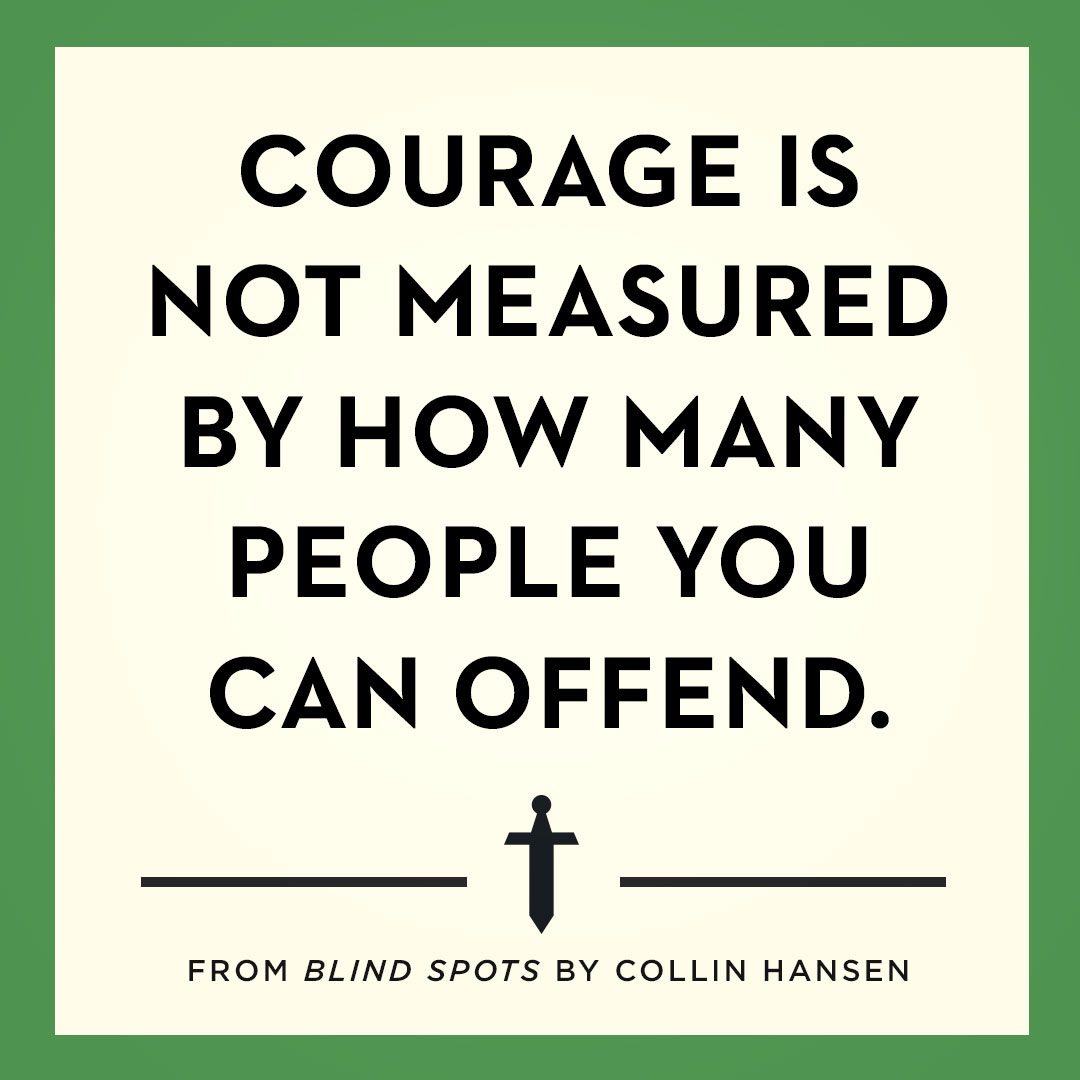
Courage 1Courage 2

I’d like to point out Collin Hansen’s blind spots – er, excuse me, Collin Hansen’s Blind Spots. An excerpt runs on TGC this morning, and it’s well worth your attention:

The fundamentalist/modernist war left a legacy whereby, in some churches, you’re branded a liberal heretic if you take away their hymnals. And in other churches a minister will sooner marry a man and his avatar than allow you to cite Ephesians 5 at a wedding.

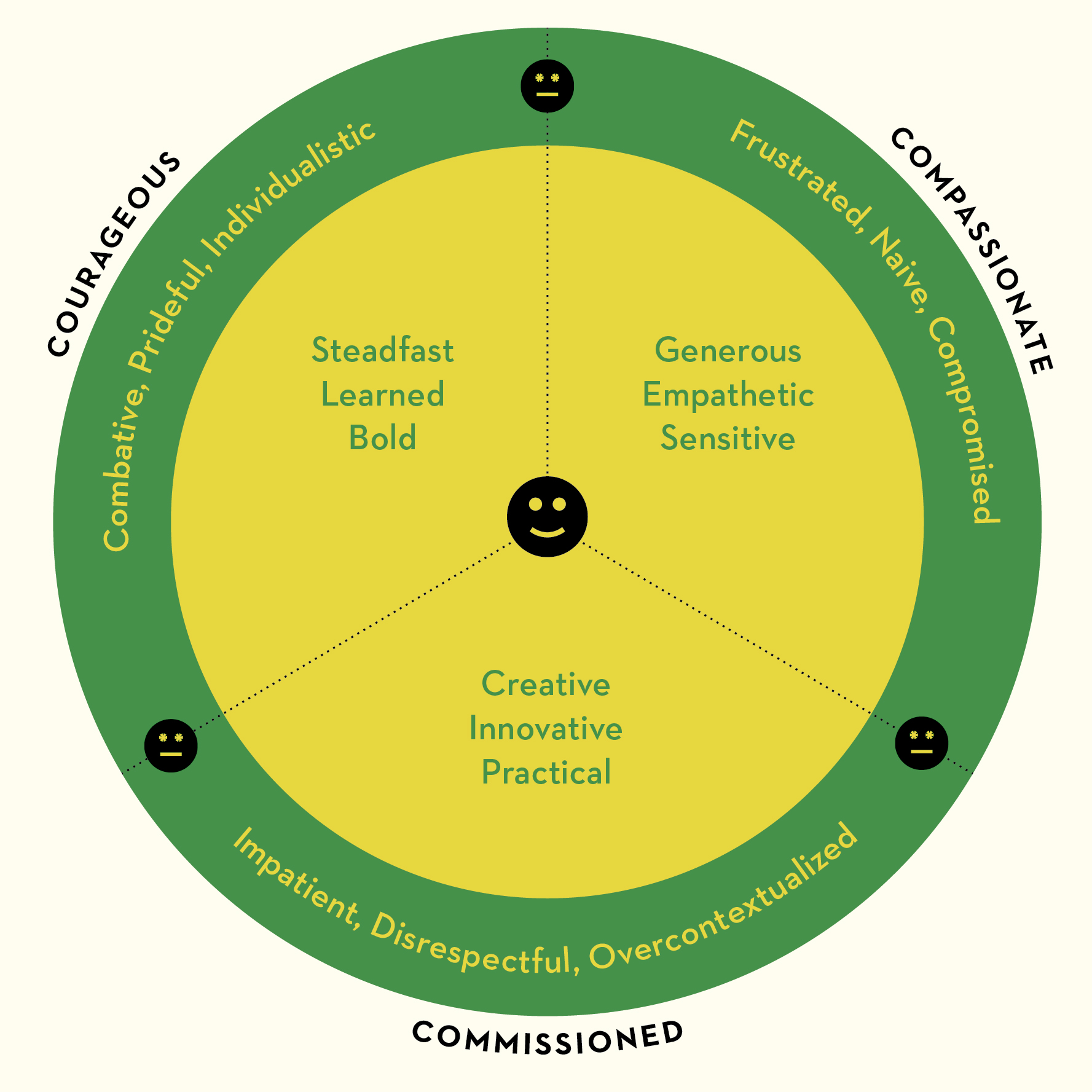
Collin urges us to become aware of our particular gifts and areas where we need to grow in being simultaneously courageous, compassionate and commissioned. And this process is primarily social rather than individual. We must recognize our natural tendency to push other Christians away because their gifts and areas of need in this area don’t match ours; if we learn to embrace one another instead, we will not only add strength to the church by meeting one another’s needs, we will ourselves grow in the areas where we need to. We need each other.

blind-spots-chart-07

It’s a short, smart, practical book. Check it out.